


Microphones are an integral part of any recording studio, however choosing a microphone can seem confusing at first, simply down to the variety on offer. This guide will help you find the correct microphone to suit your needs.
Types of Microphone Explained
There are three main types of microphone – dynamic, condenser and ribbon.
Dynamic Microphones

Dynamic microphones are probably the most common. If you were to picture a microphone in your head, like the picture above, it would probably be a dynamic mic.
These record sound via a moving coil within a magnetic field, (usually a magnetic pole). When sound hits the diaphragm, the coil is shifted in relation to the sound wave, creating a change in the magnetic field. This is then converted into an electrical signal which runs down the wire and through the rest of the signal chain.
Dynamic microphones are very sturdy, both internally and externally, which is why they are used for live performances. They can handle extremely loud sound levels which make them perfect for recording drums, guitars or bass. They also do not require a power source, such as batteries or phantom power. The only caveat to this is they do not retain as much clarity as other mic types, and you may find the high-end is not as present. This is nothing a little EQ can’t fix however.
The price for dynamic microphones vary, however they can be inexpensive relatively speaking. You could pick up a dynamic mic for around £30 and it will sound great, however even more high-end microphones such as the iconic Shure SM58 or SM57 will only set you back around £90. One of my glowing recommendations is the Samson Q7. While the term ‘cheap and cheerful’ is sometimes misrepresented, in this instance it is not. The mic is very affordable, durable, and sounds fairly decent compared to other mics of similar price. It even comes in a hard carry case for extra protection.
Condenser Microphones
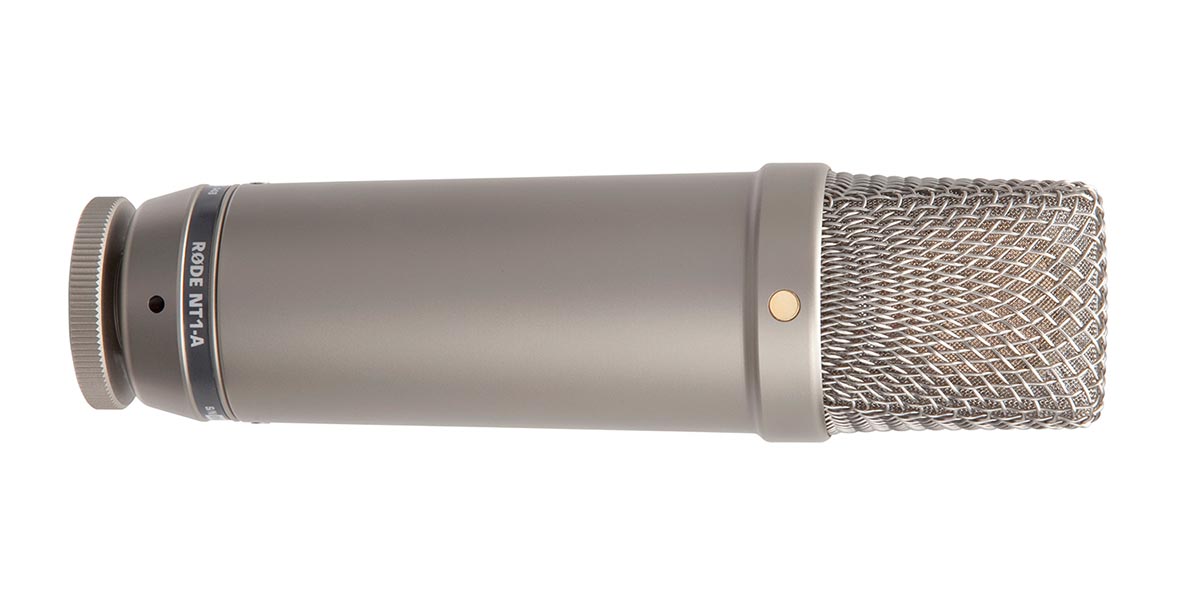
Condenser microphones are great for capturing detail, and retain a lot of clarity in the recordings, however if not used correctly they can do more harm than good.
Condenser microphones work by changes in capacitance. Inside a condenser microphone, there are two metal plates, with a charge in-between them. The thinner of the two plates acts as the diaphragm, and vibrates in relation to the incoming sound wave. This changes the capacitance between the two plates resulting in a change in current, which is transferred down the cable and through the signal chain. Because there needs to be a constant voltage running through the microphone, an external power source is needed. This can be a battery if the mic allows, or more commonly, phantom power (more on this below).
These mics are great for capturing detail and retain a lot of the top end that would be lost in dynamic microphones. They sound great on anything, however they shine on vocals, cymbals and acoustic guitars. The only issue with condensers is they are susceptible to distortion. Overly-loud sounds will introduce this, so you need to watch your levels.
Condensers are generally more expensive than dynamics, however the extra price is worth it for the bliss recording you will get out of it. One of my favourites is the Rode NT1A. This mic is regarded as one of the best and most affordable vocal mics you can buy, although it can be used on just about anything. Just ensure you have an interface capable of producing +48v phantom power before purchasing.
Ribbon Microphones

Ribbon Microphones are unique, both in terms of their tonal qualities and build. These are typically only seen in professional recording studios as they are quite pricey (for a good quality one), and are very delicate.
Ribbon microphones works by suspending a thin (micrometer width) strip of aluminium between two poles of a magnet. Rather than being affected by air pressure like the other types, the ribbon reacts to the velocity of air particles. This causes a small shift in the magnetic field, creating a voltage change relative to the shift in air particles, which is transferred down the signal chain.
Ribbon microphones are very warm sounding, giving off a vintage tone, and sound great on acoustic guitars, cymbals, or anything not too loud as they are also very sensitive.
To summarise:
Dynamic microphones are good for very loud noises, such as drums, bass and electric guitar. They are cheap, easily obtainable and require no external power.
Condenser microphones offer a lot of clarity. They are good on vocals and acoustic instruments – anything with detail, however can be quite pricey, depending on what you choose. They also require batteries if applicable, or +48v phantom power.
Ribbon microphones can be very expensive (for a good quality model), however offer a warm, vintage vibe while capturing a lot of detail. These are good on anything as long as it’s not too loud, and don’t require phantom power.
Phantom Power
Phantom power is what condenser microphones need to function. As stated above, condenser microphones work by suspending a thin metal plate in front of another, with a charge between them. This charge has to be in constant supply, therefore +48V is applied in the form of phantom power. This can be seen on mixers and interfaces all around, and can be identified by a button labeled as +48V, or even ‘phantom’. If you’re in the market for a condenser mic, ensure you have phantom power to hand. If you don’t have a compatible mixer, there are dedicated phantom power units you can purchase at a relitivly inexpensive price.
It is worth noting that phantom power should NOT be used with a ribbon mic although this is kind of grey area. Some ribbon mics won’t be affected by it whereas others will be, especially the older more vintage ones. In any case, it could potentially cause serious damage to the mic such as stretching of the ribbon, or blowing the ribbon completely. It wil also degrade the mic over time, so for these reasons it should be avoided, unless specifically stated by the manufacturer.
Polar Patterns
A polar pattern is the term given to the direction in which the microphone picks up sound. There are many different types, and each have their own benefits. The polar pattern may also dictate your microphone choice, rather than the microphone itself, and can help reduce unwanted noise. Below are a few of the most common types of polar patterns.

Cardioid
Cardioid microphones capture sound from the front, and isolates ambient sound from the sides and back. This is the most common polar pattern, and can be used in almost any situation. It’s great for when you only want to capture what’s directly in front of the mic, such as vocals, drums, a guitar cab, or for live use. This pattern does however introduce colouration due to the proximity effect, so positioning is key (more on this below).

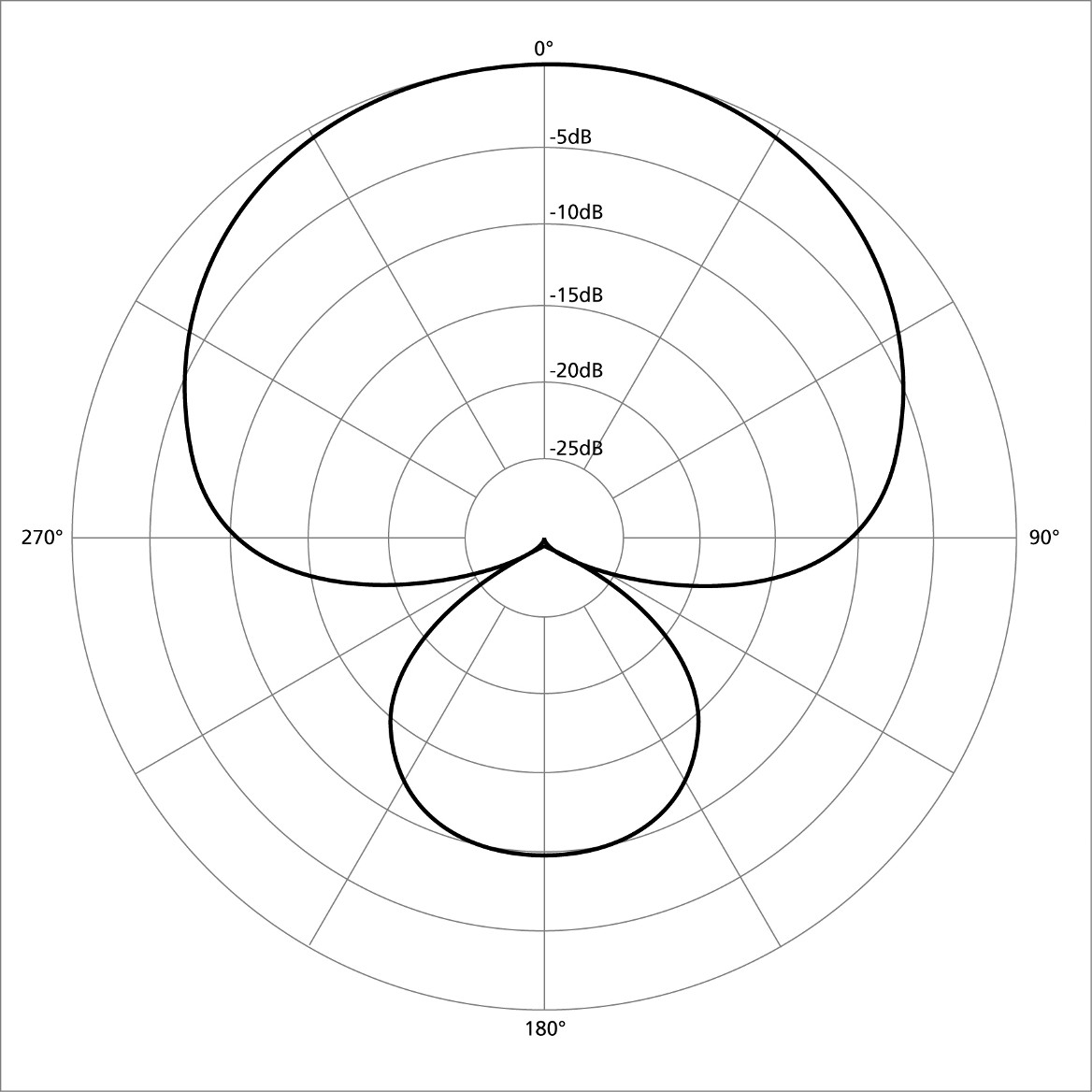
Supercardioid & Hypercardioid
These two polar patterns are very similar to each other. They are more directional than a standard cardioid, with a narrower area of sensitivity, resulting in resistance in feedback meaning they work wonders on loud noises. However, they are sensitive at the back meaning they are susceptible to picking up unwanted noise. The difference between super and hyper cardioid is the sensitivity. Hypercardioid is narrower at the front than supercardioid, however it’s even more sensitive in the back.
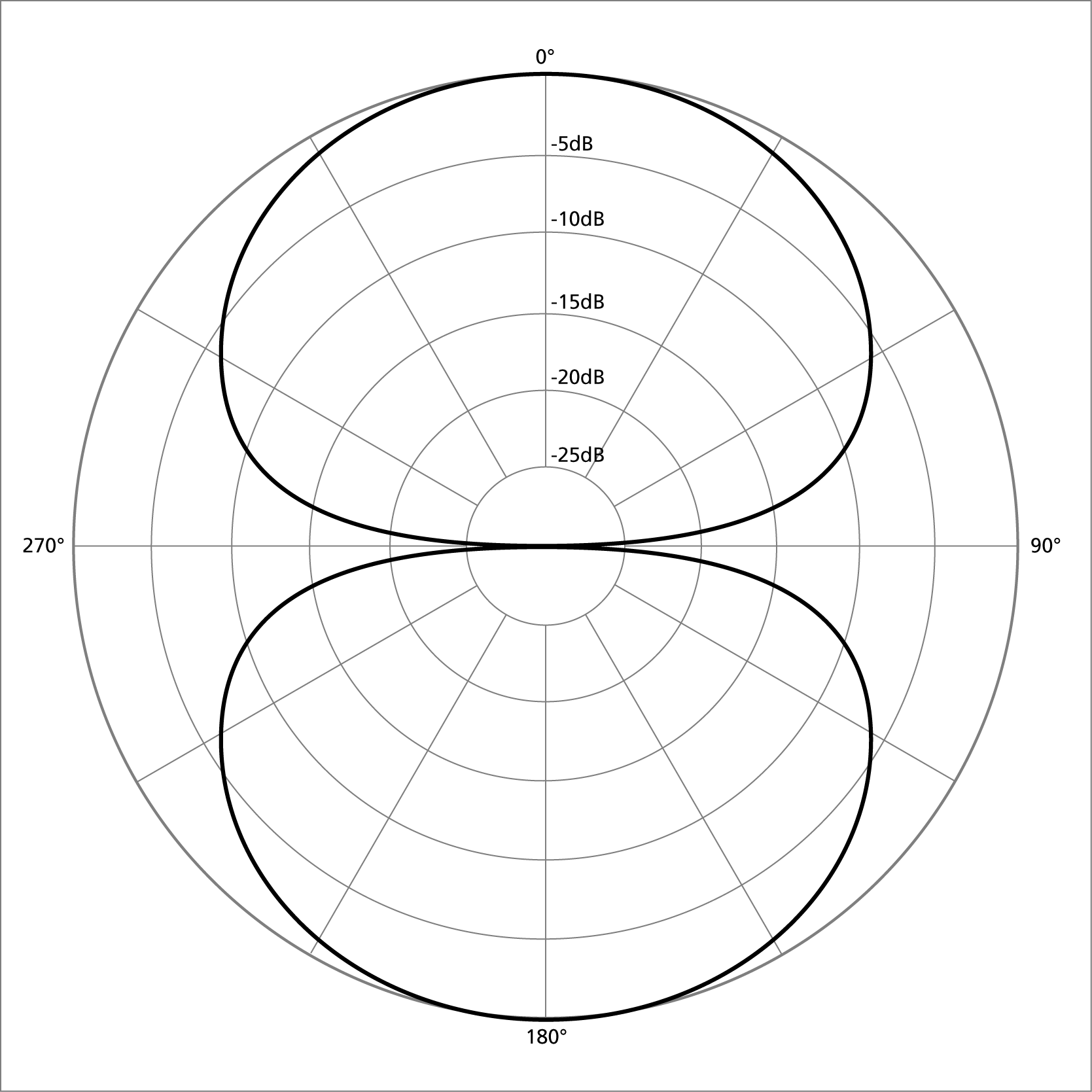
Figure-8/Bi-directional
Figure-8 mics pick up sound equally front the front and the rear, while isolating the sides. This polar pattern is great for stereo or mid/side recording, and can be used to pickup multiple instruments at once. For example, you could have two singers recording on either side of one microphone at the same time.
Omnidirectional
Omnidirectional microphones pick up sound equally from all around, making this the most natural polar pattern. This is great for recording ambience, such as a forest, or drum room for example, however are susceptible to feedback. This means they are not the best for overly-loud sources such as a live event.
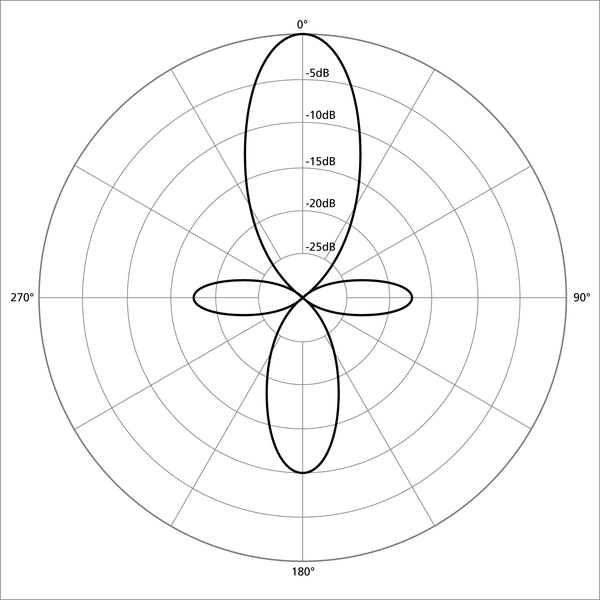
Shotgun
Shotgun mics have a very narrow and directional polar pattern. These microphones are usually very long, looking almost like a tube, and are favoured when field recording as they pick up what’s directly in front of them, even more so than any of the cardioids. There is some bleed to the sides and rear, however they are very good for isolating ambiance if you’re recoding sound at a distance. The only downside is the sound quality is not as substantial as the other types.
There are a few things to be aware about with polar patterns. While they do determine the sensitivity of a mic, you will most likely still hear sound from areas the microphone isn’t picking up. This is simply down to how sound travels – it will bounce off walls, be dispersed in the air etc, and some of that will hit the sensitive area of the mic. There’s no escaping it, it’s just something to deal with. Choosing the correct polar pattern for the job, and the correct positioning of the mic however will reduce this, which is why it’s so important to understand.
Please also be aware that the images above are only a 2D representation, the polar pattern is applied all around the microphone in 3D space (see cardioid image below).
Proximity effect
The proximity effect is a phenomenon by where there is an increase in bass frequencies the closer you place a microphone to a sound source. It can be a nightmare to deal with, but it can also be your friend. It’s great for making things sound ‘fat’ and ‘big’ but too much will muddy your sound and may even lead to distortion.
The proximity effect is most noticeable on the figure-8 pattern, however is present on the cardioid types as well. It is however non-existent on the omnidirectional pattern.
Diaphragm
The diaphragm is the name given to the thin piece of material that picks up the vibrations in the air. An example of this would be the thin metal plate in a condenser microphone. The size of the diaphragm will affect not only your sound, but the application of the microphone.
Large Diaphragm Microphones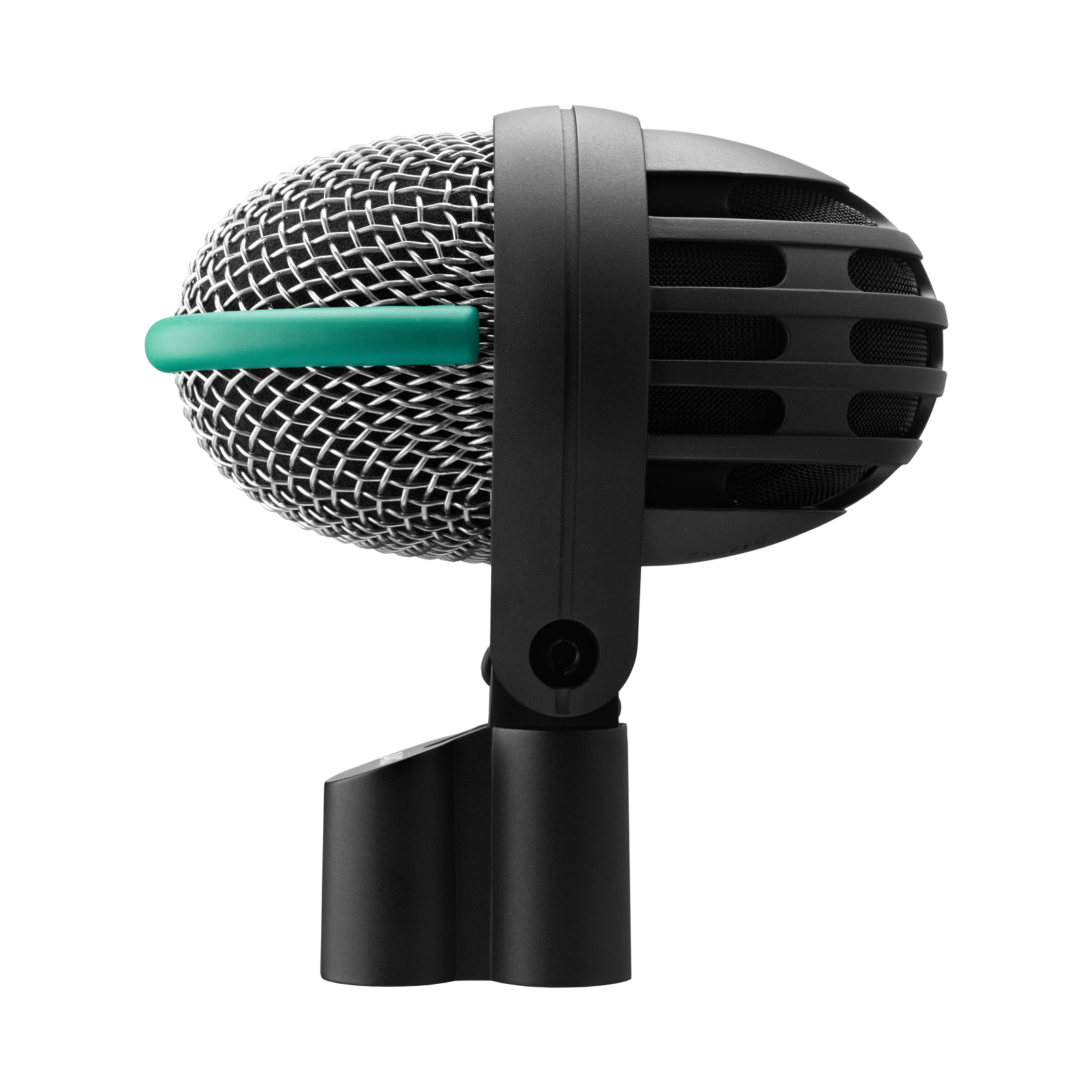
Large Diaphragm mics will pick up the whole frequency spectrum, and are capable for recording all types of instruments, vocals, spaces etc. They are very sensitive and capture a lot of detail, so proper mounting may be required to avoid unwanted vibrations which could lead to unusable recordings. These are great on drums, more specifically kick drums – a large diaphragm dynamic microphone placed in front of a kick drum will give a deep, powerful recording.
Small Diaphragm Microphones

Small Diaphragm mics, or pencil mics are very useful for capturing a lot of high-end detail. They are very portable due to their small form factor, and are great on acoustic guitars, cymbals, and other similar instruments. Pencil mics are very often condensers, so please read up on the specs if you’re looking to buy one to ensure you’re compatible.
Medium Diaphragm Microphones
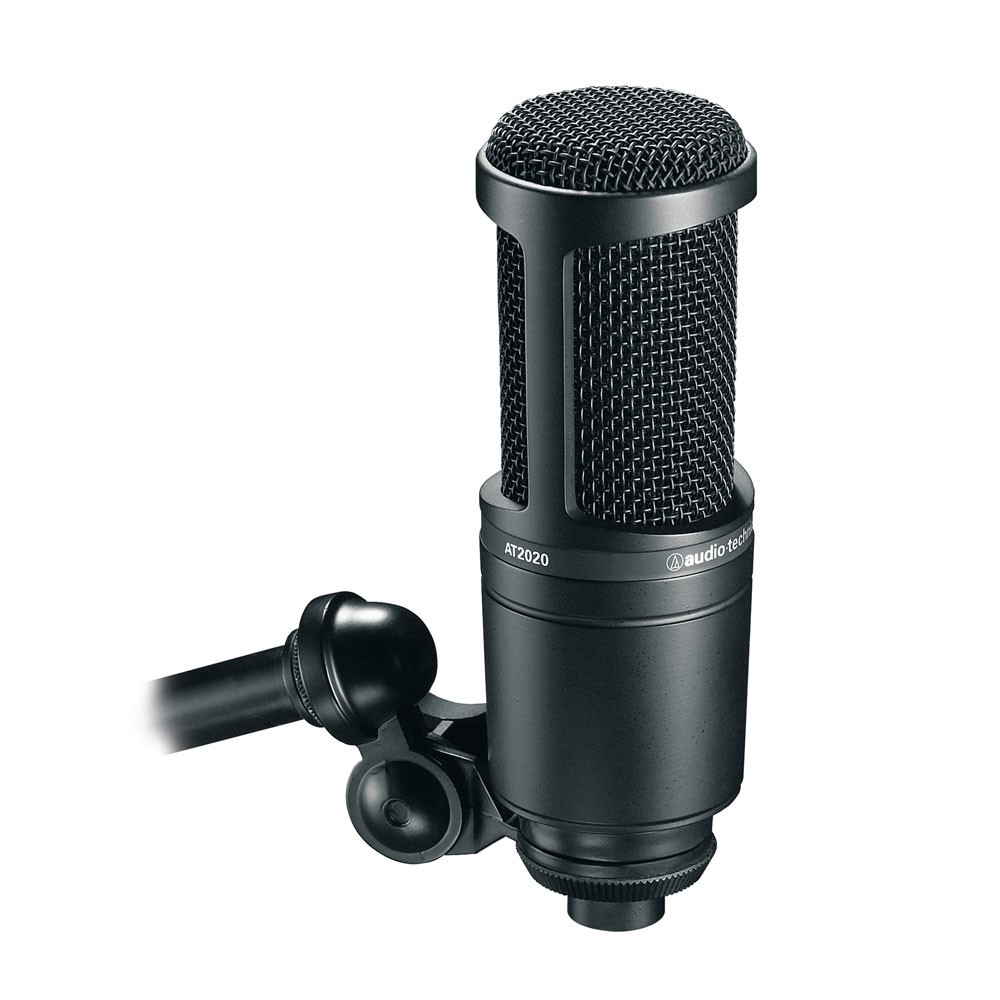
Medium diaphragm mics are probably the most common, and can be found in a lot of mics. They combine the best of both worlds, offering the high-frequency content provided by small diaphragms, and the fullness of large diaphragms. It won’t sound good as a dedicated small or large variant, but is a good choice if the others are not available These can also be used on almost anything, from drums to vocals to guitars.
If you have any questions regarding microphones one of our friendly staff will help you out. You can connect with us using the methods below.
Our number – 02476 369898
Our email – cs@inta-audio.com
Follow us on: